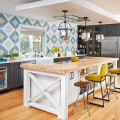
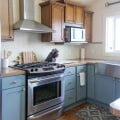
Kitchen cabinets are one of the most influential elements in determining the overall layout and functionality of a kitchen. They define how space is used, how storage is organized, and how easily homeowners can move within the area. From the placement of base cabinets to the configuration of upper storage, cabinets act as the structural framework around which the entire kitchen is designed. Whether the layout is L-shaped, U-shaped, galley, or open-concept, cabinet positioning directly impacts workflow and efficiency.
Shaping Workflow and Functionality
A well-designed kitchen layout revolves around functionality, and cabinets play a major role in supporting daily tasks. The placement of cabinets influences the classic kitchen work triangle—connecting the sink, stove, and refrigerator. Proper cabinet spacing ensures that movement between these key areas is smooth and uninterrupted. Additionally, strategically placed storage solutions such as pull-out drawers, corner cabinets, and pantry units help maximize accessibility. Homeowners who invest in custom kitchen cabinets in Orlando often benefit from layouts tailored to their specific cooking habits and storage needs, resulting in a more efficient and enjoyable kitchen experience.
Maximizing Space and Storage Potential
Cabinets are essential for optimizing available space, especially in kitchens with limited square footage. Thoughtful cabinet design can transform even small kitchens into highly functional areas by utilizing vertical space, incorporating multi-purpose storage, and minimizing wasted corners. Floor-to-ceiling cabinets, for example, provide additional storage while maintaining a clean and streamlined appearance. In larger kitchens, cabinets help define zones for cooking, prep work, and storage, ensuring that each area serves a clear purpose without clutter.
Influencing Aesthetic Balance and Flow
Beyond functionality, kitchen cabinets significantly impact the visual balance and overall style of the space. The size, shape, and finish of cabinets contribute to how open or enclosed a kitchen feels. Light-colored cabinets can make a space appear larger and brighter, while darker tones add depth and sophistication. The arrangement of cabinets also affects sightlines, particularly in open-concept layouts where the kitchen is visible from living or dining areas. Consistent cabinet design helps create a cohesive look that ties the entire home together.
Integrating Appliances and Fixtures
Cabinets also play a key role in integrating appliances and fixtures into the kitchen layout. Built-in appliances such as ovens, microwaves, and refrigerators are often housed within cabinetry to create a seamless appearance. This integration not only enhances aesthetics but also improves functionality by keeping everything within easy reach. Proper cabinet planning ensures that appliances fit correctly and operate efficiently, avoiding issues such as overcrowding or restricted access.
Adapting to Lifestyle and Future Needs
Modern kitchen layouts are increasingly designed to accommodate changing lifestyles, and cabinets are at the heart of this adaptability. Whether it’s creating dedicated storage for specific appliances, adding features for entertaining, or designing spaces for family use, cabinets can be customized to meet evolving needs. Flexible designs allow homeowners to adjust their kitchen layout over time without requiring major renovations. This forward-thinking approach ensures that the kitchen remains practical and relevant for years to come.
Conclusion
Kitchen cabinets are more than just storage solutions—they are fundamental to shaping the entire kitchen layout. By influencing workflow, maximizing space, enhancing aesthetics, and integrating essential elements, cabinets determine how a kitchen looks and functions. Thoughtful cabinet design allows homeowners to create a space that is both efficient and visually appealing, making it a cornerstone of any successful kitchen design project.