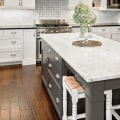
Kitchen cabinets are often viewed primarily as a design feature, but their contribution to long-term kitchen performance goes far deeper than appearance. Cabinets form the backbone of how a kitchen functions every day, influencing storage efficiency, workflow, durability, and maintenance. Because they are used constantly—opened, closed, loaded, and cleaned—their quality and construction have a lasting impact on how well a kitchen performs over time. Investing in well-designed cabinets is not just a stylistic choice; it is a functional decision that shapes the kitchen’s reliability for years.
Structural Quality and Daily Wear
The structural integrity of kitchen cabinets directly affects their longevity. Cabinets built with solid materials, reinforced joints, and durable finishes are better equipped to handle the stresses of daily use. Over time, poorly constructed cabinets can warp, loosen, or sag under the weight of dishes and cookware. High-quality cabinets maintain alignment and stability, ensuring doors close properly and shelves remain secure. This structural consistency supports a kitchen that feels dependable rather than fragile, even after years of heavy use.
Storage Efficiency and Workflow
Cabinet design plays a critical role in how efficiently a kitchen operates. Thoughtful layouts, adjustable shelving, and well-placed drawers reduce clutter and improve accessibility. When cabinets are designed to support natural movement between cooking, cleaning, and storage zones, they enhance workflow and reduce strain. Over the long term, efficient storage minimizes wear caused by overcrowding and misuse, preserving both the cabinets themselves and the overall functionality of the kitchen.
Moisture Resistance and Environmental Protection
Kitchens are high-moisture environments due to cooking, cleaning, and temperature changes. Cabinets that are properly sealed and finished resist swelling, peeling, and discoloration caused by humidity and spills. This resistance protects not only the cabinets but also nearby surfaces and appliances. Poor moisture management can lead to long-term damage that affects the entire kitchen ecosystem. Durable cabinetry helps maintain a stable environment where appliances and fixtures perform consistently.
Supporting Appliances and Integrated Systems
Kitchen cabinets are closely tied to appliance performance. Built-in ovens, dishwashers, and refrigerators rely on surrounding cabinetry for proper alignment and ventilation. When cabinets are sturdy and correctly installed, they support appliances effectively, reducing stress on mechanical components. Over time, this contributes to smoother operation and fewer issues. When problems do arise, reliable cabinetry allows technicians to access and service appliances more efficiently, complementing services such as appliance repair in Jackson, TN by ensuring that surrounding structures do not complicate repairs.
Ease of Maintenance and Long-Term Care
Cabinets that are designed with maintenance in mind perform better over the long term. Smooth surfaces, quality hardware, and durable finishes make cleaning easier and reduce the likelihood of permanent stains or damage. Soft-close hinges and sturdy drawer slides minimize impact stress, extending the lifespan of moving parts. Cabinets that are easy to maintain encourage consistent care, which directly contributes to sustained performance and appearance.
Adaptability and Future-Proofing
Long-term kitchen performance also depends on adaptability. Cabinets that can accommodate changing needs—such as adjustable shelving, modular components, or space for upgraded appliances—remain functional as lifestyles evolve. This adaptability reduces the need for frequent renovations and helps kitchens stay relevant over time. When cabinets are flexible, the kitchen can evolve without sacrificing performance or efficiency.
A Foundation for Lasting Kitchen Value
How kitchen cabinets contribute to long-term kitchen performance ultimately comes down to quality, design, and integration. Cabinets influence how a kitchen functions daily, how well it withstands environmental stress, and how effectively it supports appliances and storage needs. By investing in durable, well-planned cabinetry, homeowners create kitchens that perform reliably, require less maintenance, and retain value over the long term. Cabinets may not be the most visible element of kitchen performance, but they are among the most essential.