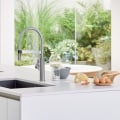
Kitchen cabinets are often one of the most significant investments homeowners make during remodeling projects, especially when custom materials, wood finishes, or premium storage systems are involved. While many people focus on cabinet materials, hardware quality, and design aesthetics, fewer homeowners realize how closely cabinet longevity is connected to the condition of the roofing system above the home. Roofing services play an important role in maintaining stable indoor conditions that help protect kitchen cabinetry from moisture damage, temperature fluctuations, and humidity-related deterioration over time. A well-maintained roofing system does far more than prevent visible leaks; it also helps regulate airflow, control indoor humidity, and reduce hidden moisture issues that can gradually affect interior finishes and structural materials throughout the home.
Kitchens naturally generate moisture from cooking, dishwashing, steam, and daily household activity. When roofing systems, attic ventilation, or drainage components are not functioning properly, this moisture may become trapped inside the home instead of being safely ventilated away. Excess indoor humidity can affect wooden cabinets by causing expansion, warping, swelling, or separation at joints and seams. Over time, even high-quality cabinetry may begin showing signs of deterioration if the indoor environment remains consistently damp or poorly ventilated. Roofing services that improve moisture management and attic airflow therefore contribute indirectly to preserving the condition and appearance of kitchen cabinetry for many years.
Ventilation and Moisture Control Inside the Home
One of the most overlooked connections between roofing systems and kitchen cabinets is attic ventilation. Poor roof ventilation can trap heat and humidity inside attic spaces, increasing overall moisture levels within the structure. This trapped moisture may gradually migrate downward through ceilings and wall cavities, contributing to elevated humidity throughout the home. Kitchens are especially vulnerable because they already experience frequent temperature and moisture fluctuations from cooking appliances and water use. If roof ventilation problems are left unresolved, cabinets may absorb excess moisture from the surrounding air, leading to material stress and long-term wear.
Roof leaks can create even more direct risks for cabinetry and interior finishes. Water entering through damaged shingles, flashing, or roof penetrations often travels along framing systems and insulation before becoming visible inside the home. In some cases, moisture may accumulate behind kitchen walls or ceilings without producing obvious signs immediately. This hidden water intrusion can contribute to mold growth, drywall deterioration, and damage to cabinet structures or surrounding materials over time. Roofing professionals frequently inspect attic conditions and moisture levels because indoor damage often originates from roofing vulnerabilities that remain hidden above the living space. A company such as A-1 Roofing Services may evaluate roof ventilation, drainage systems, and leak risks to help homeowners protect not only the roof itself but also the long-term condition of interior investments such as kitchen cabinetry.
Temperature Stability and Long-Term Cabinet Preservation
Roofing systems also influence indoor temperature consistency, which affects how cabinetry materials perform over time. Poor insulation and inadequate roof ventilation can cause extreme attic temperatures that increase heat transfer into the home. Frequent temperature fluctuations may place stress on wood cabinetry and surrounding materials, particularly in kitchens where appliances already generate additional heat. Stable indoor conditions help preserve cabinet finishes, adhesives, and structural integrity while reducing expansion and contraction caused by excessive environmental changes.
Drainage management is another important factor connected to cabinet longevity. Improper roof drainage can contribute to foundation moisture issues or hidden wall damage that indirectly affects interior spaces. Overflowing gutters or poorly directed runoff may increase humidity levels within crawl spaces or lower structural areas, eventually impacting the indoor environment throughout the home. Roofing services that maintain effective drainage systems help reduce these broader moisture risks.
Long-lasting kitchen cabinets depend not only on quality craftsmanship and materials but also on maintaining a stable indoor environment free from excessive moisture and temperature stress. Roofing systems support these conditions by controlling ventilation, preventing water intrusion, regulating attic temperatures, and directing moisture safely away from the home. By investing in proper roofing maintenance and ventilation improvements, homeowners can help protect the long-term durability, appearance, and structural stability of their kitchen cabinetry while reducing the likelihood of expensive interior repairs caused by hidden moisture problems over time.