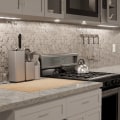
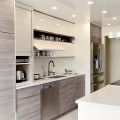
In open-concept homes, the kitchen serves as much more than a place to prepare meals. It often functions as the visual centerpiece that connects dining areas, living rooms, and entertaining spaces into one cohesive environment. Because walls are minimized in these layouts, kitchen cabinets become one of the most influential design elements in determining how the home feels and functions. While countertops, flooring, and lighting contribute to the overall aesthetic, cabinet placement, proportions, colors, and finishes have a significant impact on movement, sightlines, and spatial balance. Thoughtfully designed cabinetry helps create an open, inviting atmosphere where each area transitions naturally into the next without feeling disconnected or overcrowded.
Layout Determines Everyday Functionality
The arrangement of kitchen cabinets plays a central role in guiding traffic flow throughout an open-concept home. Cabinets positioned around work zones should support efficient cooking while leaving ample space for family members and guests to move comfortably between rooms. Kitchen islands often serve as multifunctional hubs, providing food preparation areas, casual seating, storage, and subtle separation between living spaces without interrupting openness. Designers carefully consider aisle widths, appliance placement, and cabinet accessibility to prevent congestion while maintaining an intuitive workflow. When cabinetry is planned strategically, homeowners enjoy kitchens that remain practical during everyday routines while accommodating larger gatherings with equal ease.
Visual Continuity Creates Spacious Interiors
Cabinet style contributes significantly to the perception of space within an open floor plan. Consistent finishes, coordinated hardware, and balanced proportions help unify the kitchen with adjacent living areas, creating a seamless visual experience throughout the home. Light-colored cabinetry can enhance brightness by reflecting natural light, while carefully selected wood tones introduce warmth without overwhelming surrounding spaces. Glass-front cabinets, open shelving, and minimalist door profiles further contribute to an airy atmosphere by reducing visual heaviness. Similar attention to clean, uninterrupted design is often appreciated in architectural features like frameless shower doors, where simplicity enhances openness and allows surrounding materials to remain the visual focus. Although kitchens and bathrooms serve different purposes, both spaces demonstrate how understated design elements can make interiors feel larger and more connected.
Storage Solutions Support Clutter-Free Living
One of the greatest advantages of well-designed kitchen cabinetry is its ability to maintain visual order in open-concept homes. Because living, dining, and kitchen spaces remain visible from multiple angles, clutter is far more noticeable than in traditional floor plans. Custom storage solutions such as pull-out pantry shelves, deep drawers, concealed recycling centers, appliance garages, and integrated organizers help homeowners keep everyday items neatly stored while preserving clean countertops. Efficient storage not only improves organization but also reinforces the spacious appearance that defines successful open-concept living. By reducing visual distractions, cabinetry allows architectural features, furnishings, and natural light to become more prominent throughout the home.
Thoughtful Cabinet Design Enhances the Entire Home
Kitchen cabinets influence far more than appearance—they shape how people move, interact, and experience open-concept spaces every day. Well-planned cabinetry establishes functional work areas while supporting uninterrupted sightlines, consistent design, and organized living. Homeowners who invest time in cabinet planning often discover that even subtle adjustments in layout, storage configuration, and finish selection significantly improve both comfort and usability. Rather than viewing cabinets solely as storage furniture, designers recognize them as architectural elements that define the overall character of an open home. Through careful planning and attention to proportion, functionality, and visual harmony, kitchen cabinetry helps create welcoming environments where cooking, entertaining, relaxing, and daily family life naturally come together within one cohesive and beautifully connected living space.