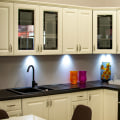
Kitchen cabinets are often one of the first elements homeowners consider when planning a home upgrade, and for good reason. They occupy a large visual footprint, define storage capacity, and influence how the kitchen functions day to day. Within a comprehensive home upgrade plan, cabinets serve as a strategic anchor that connects aesthetics, functionality, and long-term value. Rather than being treated as a standalone improvement, cabinet upgrades work best when aligned with broader goals for the home.
Aligning Design With the Bigger Picture
A comprehensive home upgrade plan looks beyond individual rooms to consider cohesion throughout the house. Kitchen cabinets set the tone for finishes, colors, and materials that may extend into adjacent spaces such as dining areas, living rooms, or hallways. Cabinet style—whether modern, transitional, or traditional—helps guide decisions about flooring, lighting, and hardware across the home. When cabinets are chosen with the full upgrade plan in mind, they contribute to a unified look rather than feeling disconnected from other improvements.
Improving Functionality and Daily Flow
Cabinets play a central role in how a home functions, especially in the kitchen, which is often the most used space in the house. Upgraded cabinets can dramatically improve workflow through better storage solutions, optimized layouts, and improved accessibility. Features such as pull-out shelves, soft-close drawers, and integrated organizers reduce clutter and make daily tasks more efficient. When part of a comprehensive plan, these functional improvements align with other upgrades—such as updated appliances or reconfigured layouts—to enhance overall livability.
Supporting Infrastructure and System Upgrades
Home upgrades frequently involve multiple systems working together, including plumbing, electrical, and ventilation. Cabinet replacement or reconfiguration provides an opportunity to address these systems more effectively. For example, removing old cabinets may reveal outdated wiring or plumbing that can be updated as part of the larger project. Thoughtful coordination ensures that cabinet installation supports, rather than restricts, access to essential systems. This holistic approach mirrors the value of planning exterior upgrades alongside interior ones, much like considering roof drainage solutions such as Gutter Guards Raleigh as part of overall home protection rather than an isolated fix.
Enhancing Long-Term Value and Durability
From an investment perspective, cabinets contribute significantly to long-term home value. High-quality cabinetry signals care, durability, and thoughtful design to future buyers. When cabinets are integrated into a comprehensive upgrade plan, their value is amplified by complementary improvements—updated countertops, modern lighting, and efficient appliances. Together, these upgrades create a kitchen that feels intentional and complete, which is more appealing than piecemeal updates completed at different times.
Coordinating Timelines and Budget Efficiency
A comprehensive home upgrade plan allows homeowners to coordinate timelines and budgets more efficiently. Installing cabinets at the right stage prevents rework and avoids conflicts with flooring, painting, or appliance installation. Planning ahead reduces delays and unexpected costs, ensuring that each phase of the project builds logically on the previous one. Cabinets installed within a well-structured plan are less likely to require adjustments later, protecting both the budget and the final outcome.
Adapting to Future Needs
Modern home upgrades increasingly focus on adaptability. Cabinet design can support changing needs by allowing for flexible storage, accommodating future appliances, or supporting accessibility features. When cabinets are chosen as part of a long-term plan, they are better positioned to remain functional as lifestyles evolve. This future-proofing reduces the need for repeated renovations and supports sustainable homeownership.
Creating a Cohesive Upgrade Experience
Ultimately, how kitchen cabinets fit into a comprehensive home upgrade plan comes down to coordination and intention. Cabinets influence design direction, support system upgrades, improve daily function, and enhance property value. When planned in isolation, their impact is limited. When integrated thoughtfully into a broader vision, they become a central component of a cohesive, efficient, and lasting home transformation—one that delivers benefits well beyond the kitchen itself.