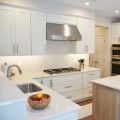
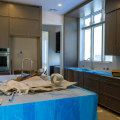
When designing a kitchen or bathroom, cabinet layouts are often seen as a matter of style and storage, but they are deeply influenced by plumbing, HVAC, and electrical systems. These utility components determine where fixtures, appliances, and ventilation elements can be placed, which directly impacts how cabinets are arranged. Without proper coordination, homeowners may end up with awkward layouts, limited storage, or costly redesigns. Recognizing the relationship between utilities and cabinetry early in the planning phase ensures a more functional and visually cohesive space.
Plumbing Considerations in Cabinet Placement
Plumbing is one of the most influential factors in cabinet layout, particularly in areas like kitchens, bathrooms, and laundry rooms. Sinks, dishwashers, and water lines must align with existing plumbing connections, which often dictates where base cabinets and cutouts are positioned. Moving plumbing lines can be expensive and time-consuming, so many designs are built around their existing locations. Working with experienced professionals, such as Abacus Plumbing, helps ensure that pipes, drains, and water supply lines are properly integrated into the cabinet design. This collaboration prevents issues like misaligned fixtures, leaks, or inaccessible plumbing components.
Electrical Systems and Appliance Integration
Electrical planning is equally important when determining cabinet layouts, especially in modern homes that rely on multiple built-in appliances and smart features. Outlets, wiring, and breaker capacities must be considered when placing cabinets around ovens, microwaves, refrigerators, and lighting systems. Improper placement can lead to limited access to power sources or unsafe wiring conditions. Additionally, under-cabinet lighting and hidden outlets require careful coordination to maintain both functionality and aesthetics. By aligning electrical systems with cabinet design, homeowners can create a space that is both efficient and visually appealing.
HVAC and Ventilation Requirements
HVAC systems also play a critical role in shaping cabinet layouts, particularly when it comes to airflow and ventilation. Range hoods, vents, and ductwork must be accommodated within the design to ensure proper air circulation and temperature control. Cabinets must be positioned in a way that does not obstruct vents or reduce airflow efficiency. In some cases, ductwork may need to be rerouted or concealed within cabinetry, which requires precise planning and coordination. Proper integration of HVAC components ensures that the space remains comfortable while maintaining the integrity of the overall design.
Balancing Functionality and Aesthetics
Achieving a balance between functionality and aesthetics is one of the biggest challenges when integrating utilities into cabinet layouts. Homeowners often have a vision for how they want their space to look, but practical considerations must guide the final design. By working closely with contractors and designers, it’s possible to create solutions that accommodate utility requirements without compromising style. Custom cabinetry, strategic placement, and thoughtful design adjustments can help bridge the gap between form and function, resulting in a space that meets both practical needs and visual expectations.
Planning for Long-Term Efficiency
Ultimately, the impact of plumbing, HVAC, and electrical services on cabinet layouts extends beyond the initial installation. Proper planning ensures long-term efficiency, easier maintenance, and fewer issues down the line. Cabinets that are designed with utility access in mind allow for quicker repairs and upgrades, saving time and money in the future. By considering these systems from the start, homeowners can create a well-organized, efficient, and durable space that supports everyday living. Thoughtful integration of utilities and cabinetry leads to a more seamless and successful design that stands the test of time.